Farmer Managed Natural Regeneration (FMNR): Can This African Success Story Transform Mauritius?
A deep dive into the world's most successful land restoration technique - FMNR has restored 6 million hectares in Africa. Can it work in Mauritius? We analyze the potential, challenges, and provide an honest recommendation.
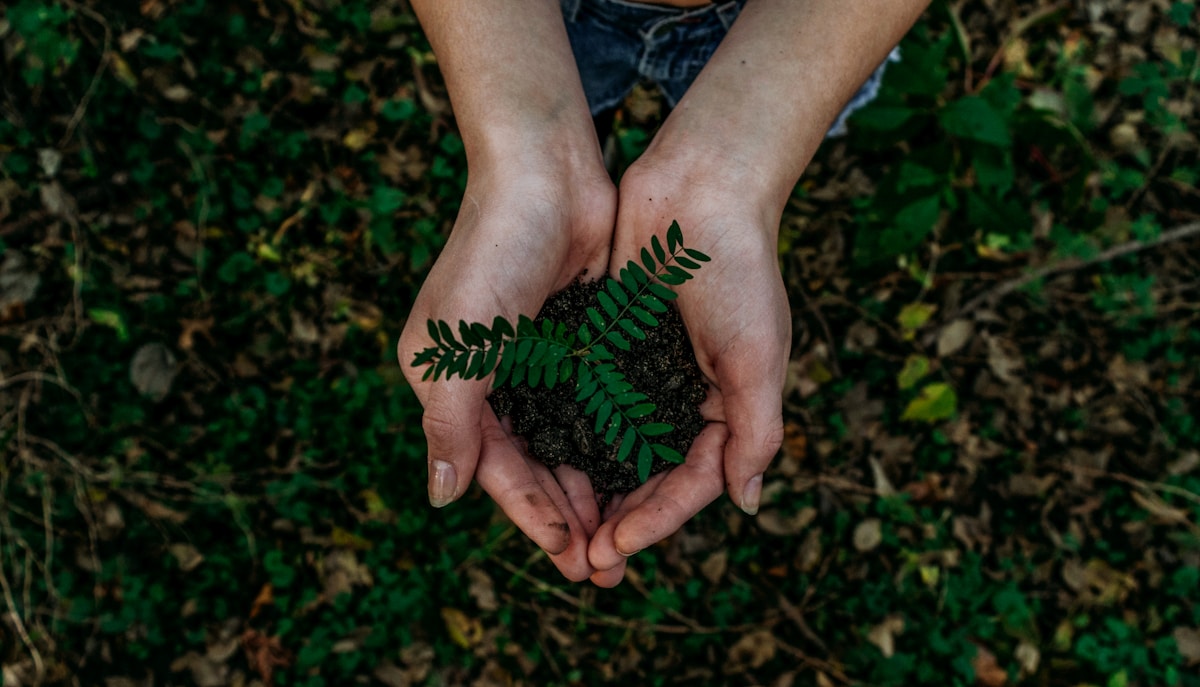
While expensive tree-planting programs often fail, an ancient technique practiced by farmers worldwide is proving far more effective: letting nature do the work. Farmer Managed Natural Regeneration (FMNR) is revolutionizing reforestation and could transform Mauritius's degraded landscapes.
What is Farmer Managed Natural Regeneration?
FMNR is a low-cost, sustainable land restoration technique that involves the systematic regrowth of trees and shrubs from living stumps, roots, and seeds already present in the soil. Rather than planting new trees, farmers protect and manage the natural regeneration that's waiting to emerge.
Developed and popularized by Australian agronomist Tony Rinaudo in Niger during the 1980s, FMNR has since spread across Africa, Asia, and beyond, restoring millions of hectares of degraded land.

The trees were there all along, underground. We just had to stop fighting them and start working with them.
How FMNR Works: The Underground Forest
The Underground Forest Discovery
Even in apparently barren landscapes, the root systems of previously cut trees remain alive underground. These "living stumps" can survive for decades, waiting for the right conditions to regenerate. FMNR simply provides those conditions.
Step 1: Identify
Locate living tree stumps and root systems. Look for small shoots, green bark, or new growth emerging from old cut points.
Step 2: Protect
Shield selected stumps from fire, grazing animals, and excessive cutting. Simple fencing or community agreements work effectively.
Step 3: Select & Prune
Choose 3-5 of the strongest stems to keep growing. Remove competing shoots to direct energy into the selected stems.
Step 4: Maintain
Continue selective pruning, harvest wood sustainably from pruned branches, and integrate with crop farming.
FMNR vs Traditional Tree Planting
FMNR Advantages
- + Cost: Near zero - no seedlings to buy
- + Survival: 80-90% - established root systems
- + Growth: 5x faster - existing root network
- + Native species: Always locally adapted
- + Scalability: Unlimited potential
Traditional Planting Challenges
- - Cost: $500-2000 per hectare
- - Survival: Often below 30% in harsh conditions
- - Growth: Slow - rebuilding root systems
- - Species: Often non-native monocultures
- - Scalability: Limited by nursery capacity
Multiple Benefits: The FMNR Ripple Effect
Environmental
- • Soil restoration & erosion control
- • Carbon sequestration
- • Biodiversity habitat
- • Improved water infiltration
- • Microclimate regulation
Economic
- • Free firewood & building materials
- • Increased crop yields (30-100%)
- • Fruit & fodder production
- • Medicine & craft materials
- • Carbon credit potential
Social
- • Food security
- • Women's empowerment
- • Community organization
- • Traditional knowledge revival
- • Youth engagement
The Niger Miracle: Proof at Scale
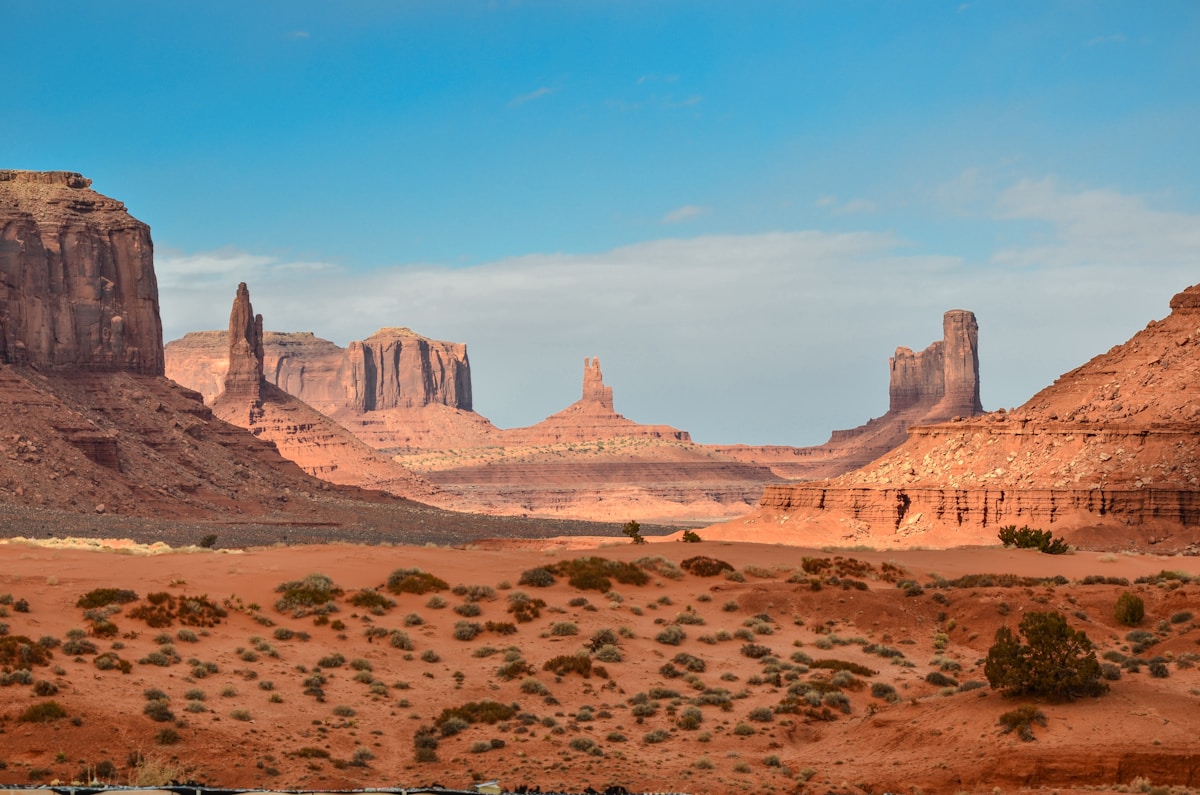
Niger, one of the world's poorest and driest countries, has achieved what scientists call the largest positive environmental transformation in Africa. Through FMNR, farmers have regenerated an estimated 200 million trees across 5 million hectares, without planting a single seedling.
FMNR for Mauritius: Local Potential
Mauritius's Hidden Forest
Despite extensive deforestation for sugarcane, many native tree species survive as cut stumps, coppiced vegetation, and dormant root systems. These include bois d'ébène, bois de natte, and other endemic species waiting to regenerate.
Priority Areas for FMNR in Mauritius
Abandoned Sugarcane Fields
Thousands of hectares of former sugarcane land now sit idle. These areas often contain remnant native vegetation that could be encouraged to regenerate through FMNR.
Water Catchment Areas
Restoring tree cover in water catchment zones improves rainfall infiltration, reduces flooding, and ensures consistent water supply for agriculture and communities.
Coastal Buffer Zones
Native coastal vegetation can be regenerated to provide protection against cyclones, storm surges, and coastal erosion - increasingly important with climate change.
Native Mauritian Trees Suitable for FMNR
Bois d'ébène
Endemic ebony, excellent coppicing
Bois de Natte
Native hardwood, food for birds
Tambalacoque
The "dodo tree", now protected
Palmiste
Native palm species
Getting Started with FMNR
Survey Your Land
Walk your property carefully, looking for tree stumps, root suckers, and seedlings. Mark their locations and identify the species if possible.
Stop Clearing
Immediately cease any burning, clearing, or herbicide application on regenerating vegetation. This single step allows natural recovery to begin.
Protect from Grazing
If you have livestock, fence off regenerating areas or practice rotational grazing to allow trees to establish above browsing height.
Select and Prune
From each stump, select 3-5 of the strongest, straightest stems. Remove competing shoots and prune side branches from the lower trunk.
Integrate with Farming
Plant crops between regenerating trees. The trees provide shade, windbreaks, and nutrients while crops grow. This is agroforestry in action.
Resources & Further Learning
Videos & Documentaries
- • "The Forest Maker" (Tony Rinaudo Documentary)
- • "The Man Who Stopped the Desert"
- • World Vision FMNR Training Videos
Organizations
- • FMNR Hub (fmnrhub.com.au)
- • World Vision - Regreening Africa
- • Mauritius Forestry Service
The Forest is Already There - Help It Grow
FMNR offers Mauritius a low-cost, high-impact pathway to restore degraded land, increase food security, and combat climate change. The trees are waiting underground - all they need is your permission to grow.