The Miyawaki Method: How This Japanese Technique Could Save Mauritius' Vanishing Forests
Discover how the revolutionary Miyawaki technique, developed by Japanese botanist Akira Miyawaki, is being used in Mauritius to restore native forests 10 times faster than traditional methods. With only 2% of our endemic forest remaining, this could be the solution our island desperately needs.
What You'll Learn in This Article

Before the Dutch arrived in 1598, Mauritius was a paradise of endemic forest – a unique ecosystem found nowhere else on Earth. Ebony trees towered overhead, pink pigeons flew through the canopy, and the forest floor teemed with life found on no other island.
Today, we've lost almost everything. The Europeans cleared land for timber and plantations. After independence, more forest fell for sugar cane. Now, urbanization devours what remains.
"Mauritius has been ranked by the IUCN as having the third most endangered flora in the world."
But here's the thing: there is hope. And it comes from an unexpected place – Japan.
The Man Who Planted 40 Million Trees
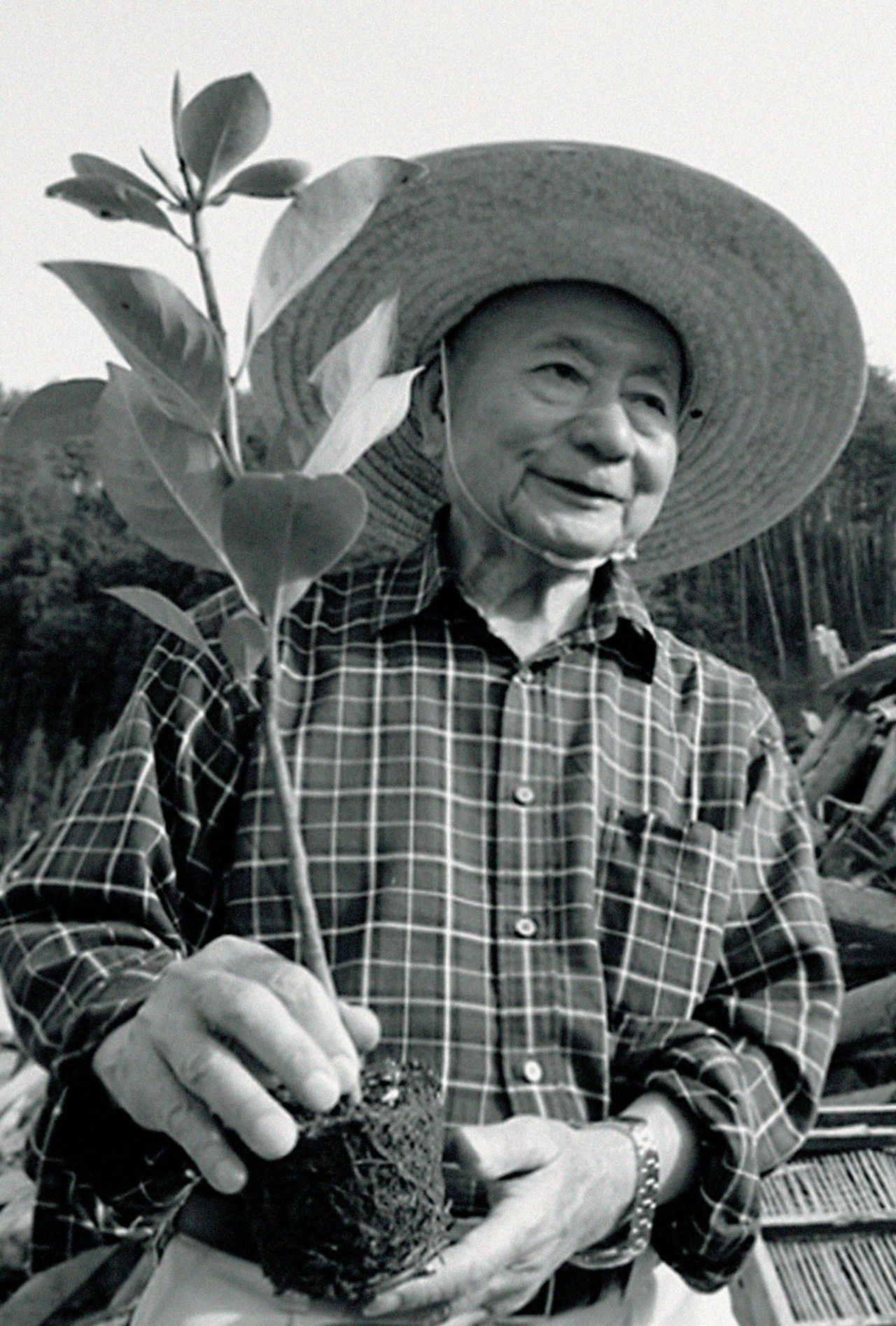
Akira Miyawaki
1928 - 2021
Born in Okayama, Japan, young Akira Miyawaki seemed destined for an ordinary life as a botanist studying weeds at Hiroshima University. But a fateful invitation would change the course of environmental history.
In 1958, German botanist Reinhold Tüxen invited Miyawaki to study in Germany. There, he learned about Potential Natural Vegetation (PNV) – the revolutionary idea that every piece of land has a specific type of native forest it can naturally support.
Returning to Japan, Miyawaki made a remarkable discovery. While most Japanese forests had been destroyed or replaced with commercial plantations, ancient patches survived around temples and shrines – protected as sacred groves for centuries. These weren't managed forests. They were dense, diverse, and resilient – nature at its purest.
A Life Dedicated to Forests
How the Miyawaki Method Works
The Science of 10x Faster Growth
Unlike traditional plantations with widely-spaced trees, Miyawaki forests mimic nature's design. Dense planting triggers competition for sunlight, causing trees to grow rapidly upward. Combined with proper soil preparation and native species selection, this creates a mature forest in 20-30 years instead of 200.
The 5-Step Process
Study the Native Ecosystem
Identify the Potential Natural Vegetation (PNV) of your area. In Mauritius, this means endemic species: ebony, bois de fer, bois d'olive, tambalacoque, vacoas, and hundreds of others unique to our island.
Prepare the Soil
Enrich the soil with organic matter, compost, and mulch. This step is crucial – degraded land needs rich soil to support rapid growth. The soil should be loose and well-draining.
Plant Dense and Diverse
Here's the magic: 3-5 seedlings per square meter – much closer than traditional planting. Mix different layers: canopy trees, sub-canopy trees, shrubs, and ground cover in a random, natural pattern.
Let Nature Compete
Dense planting triggers natural competition. Trees race upward toward sunlight, growing faster than they would in isolation. Weaker plants naturally thin out while the strongest thrive – just like in natural forests.
Hands Off After 3 Years
After about three years of basic weeding, the forest becomes completely self-sustaining. No irrigation. No fertilizers. No maintenance. Nature takes over and the ecosystem thrives on its own.
Miyawaki vs Traditional Planting
Miyawaki Method
Traditional Planting
Miyawaki in Mauritius

Global Success Stories
The Miyawaki method isn't just theory – it's been proven in over 3,000 projects across every continent.
How You Can Help
Start in Your Own Backyard
You don't need hectares of land. Even 100 square meters (10m × 10m) – about the size of a small backyard – is enough to create a thriving Miyawaki forest.
What You Need to Start
10m × 10m plot of land
From local nurseries
For soil preparation
For planting day
For weeding period
Recommended Endemic Species for Mauritius
Our national tree – the famous ebony
Incredibly hard and durable
The famous "dodo tree"
Native olive species
Pandanus species
Endemic hardwood
Organizations Making a Difference
Mauritian Wildlife Foundation
Restoration at Ile aux Aigrettes, Black River Gorges National Park, and more
Ebony Forest
17 hectares restored, endemic birds released back to the wild
Tiny Forest of Mauritius
Urban reforestation bringing green lungs to our cities
Heritage Bel Ombre
9 hectares of native forest restoration in partnership with MWF
Imagine a Mauritius Where...
This isn't a fantasy. With the Miyawaki method, it's achievable in our lifetime.
Ready to Be Part of the Solution?
The best time to plant a forest was 400 years ago.
The second best time is now.
Together, we can bring back Mauritius' forests. One tiny forest at a time.